Facility and Risk Management Tips presented by www.solidrockfacilitymanagers.com
How to control snake invasion at your homes and commercial facilities
Controlling snake invasions in residential homes and commercial facilities requires a multi-layered, year-round approach focused on habitat modification, exclusion (sealing), and removing food sources. Snakes are typically attracted to areas providing shelter, moisture, and prey (rodents, frogs).
The best way to discourage snakes around a home is to make the area unattractive to them.
A snakes biggest enemies are often other animals that hunt them, with the mongoose, various birds of prey and honey badgers
At Solid Rock, we have developed tested and proven comprehensive guides to preventing and controlling snake infestations.
1. Eliminate Food and Water Sources (Rodent & Pest Management)
Snakes usually enter properties to hunt prey like rats, mice, lizards, and frogs.
• Control rodents: Set up systematic pest control for mice and rats inside and around buildings.
• Manage waste: Keep trash cans, dumpsters, and compost bins tightly sealed. Do not leave pet food or animal feed outside overnight.
• Remove standing water: Fix leaking outdoor pipes, clear blocked gutters, and drain damp soakaways or stagnant water pools that attract frogs and insects.
2. Modify Habitat and Clear Hiding Places
Remove any feature on your property that offers shelter or camouflage.
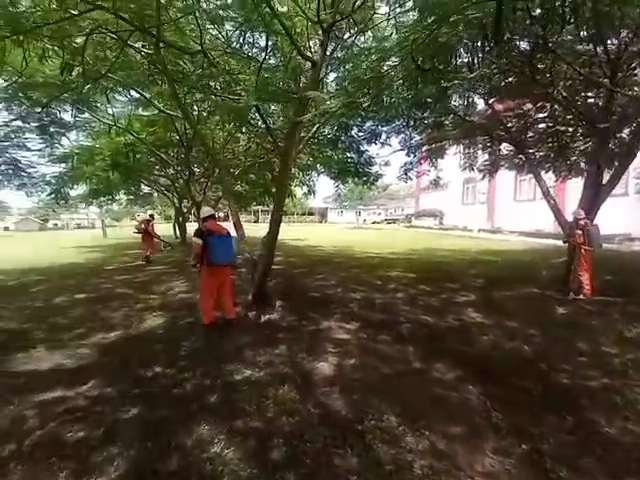
• Maintain vegetation: Mow lawns regularly (keep grass short) and trim dense shrubs or tree branches away from building foundations.
• Clear clutter: Remove piles of rocks, wood, discarded building materials, thick leaf litter, and rubbish from around the premises.
• Elevate storage: Store firewood and supplies well off the ground (at least 12 inches high) and far away from living or working areas.
• Secure outdoor areas: Position chicken coops or animal pens away from main buildings, and block potential entry points into soakaways, septic tank pipes, and drainage outlets.
3. Seal Entry Points and Exclude Snakes
Snakes can squeeze through surprisingly small openings. Since they do not chew through structures, standard rodent-exclusion materials work well.
• Seal gaps and cracks: Inspect foundations, walls, mortar, and gaps around utility lines, water pipes, and vents. Use steel wool, hardware cloth, mortar, or expanding foam to seal holes larger than ⅛ inch.
• Install door sweeps: Check the bottom of exterior and garage doors, and install tight-fitting door sweeps and window screens.
• Build physical barriers: For high-risk commercial facilities or large residential compounds, install snake-proof fencing (such as fine steel mesh or plastic sheeting buried roughly 6 inches into the ground and angled outward).
4. Use Professional Treatments and Repellents Wisely
• Professional fumigation: High-risk areas (especially in regions prone to venomous species) benefit from professional repellent-based barrier treatments applied every 3 to 6 months by services like Solid Rock Maintenance and Continental Services Ltd
• Natural/scent deterrents: Certain essential oils (such as clove, cinnamon, and garlic or sulfur-based cayenne mixtures) can offer a minor secondary deterrent layer, though they must be reapplied frequently, especially after heavy rains. Avoid relying on ineffective gimmicks like mothballs or ultrasonic stakes.
Using plants to deter snakes relies on strong scents, bitter tastes, or sharp physical barriers. While traditional and cultural uses are common, scientific proof of their effectiveness is limited, and plants alone will not guarantee a snake-free property
How They Work
• Scent Disruption: Snakes “taste” the air with their tongues to track scents; strong-smelling herbs like garlic, mint, rosemary, or lemongrass overwhelm their sensory perception.
• Physical Barriers: Spiky or stiff plants like snake plants create a rough surface that is uncomfortable for reptiles to slide across.
What to Do If You Encounter a Snake
• Keep your distance: Do not attempt to catch, touch, corner, or kill the snake. Most bites happen when people try to handle or attack them.
• Isolate the area: Move children and pets away immediately.
• Call professionals: Contact local wildlife control, animal services, or a trained snake handler to safely remove the animal.
At Solid Rock, we are behind your business success www.solidrockfacilitymanagers.com